It’s Squash… But Not As We Know It
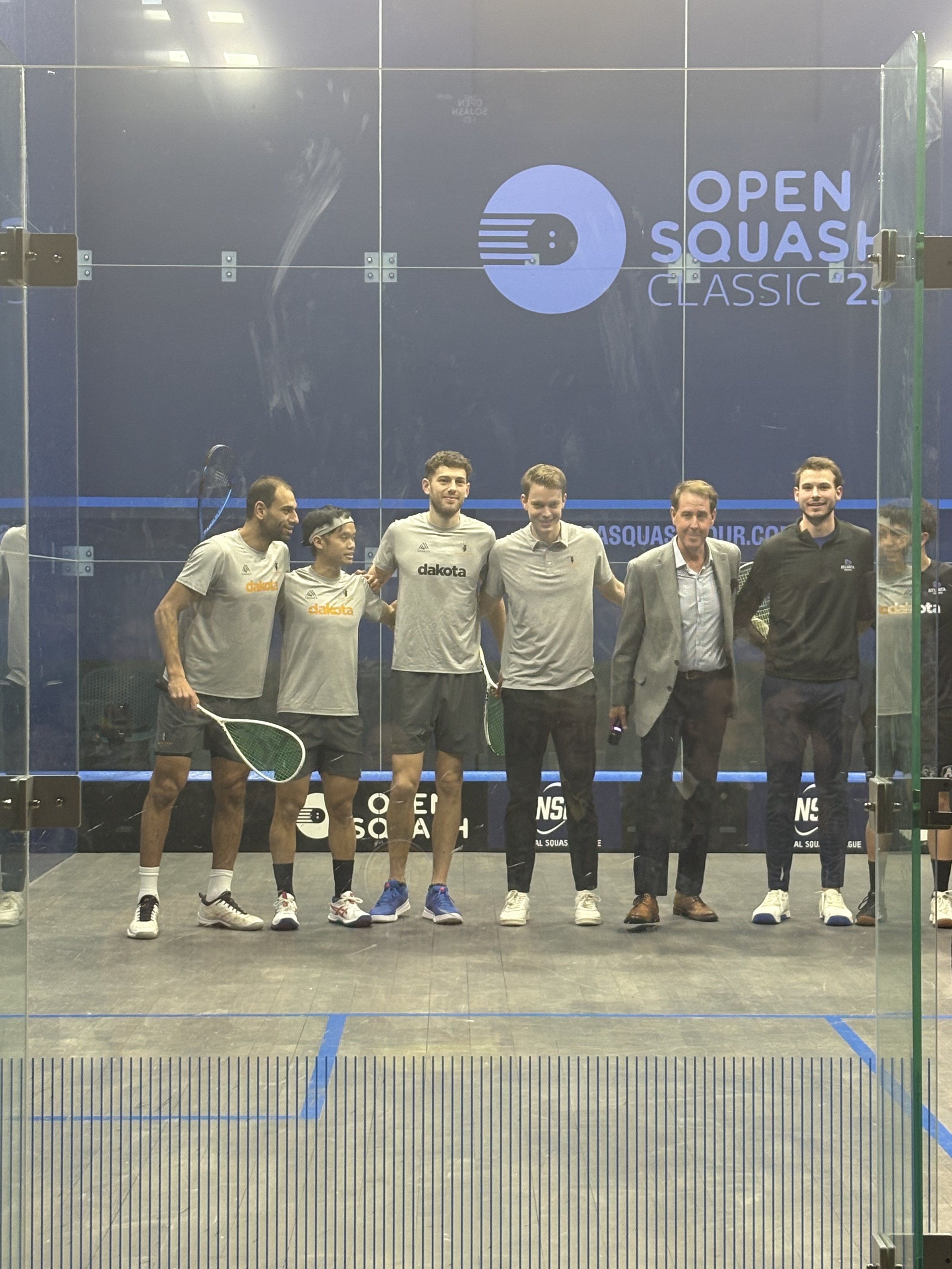
Something different is happening in squash — and it’s electric.
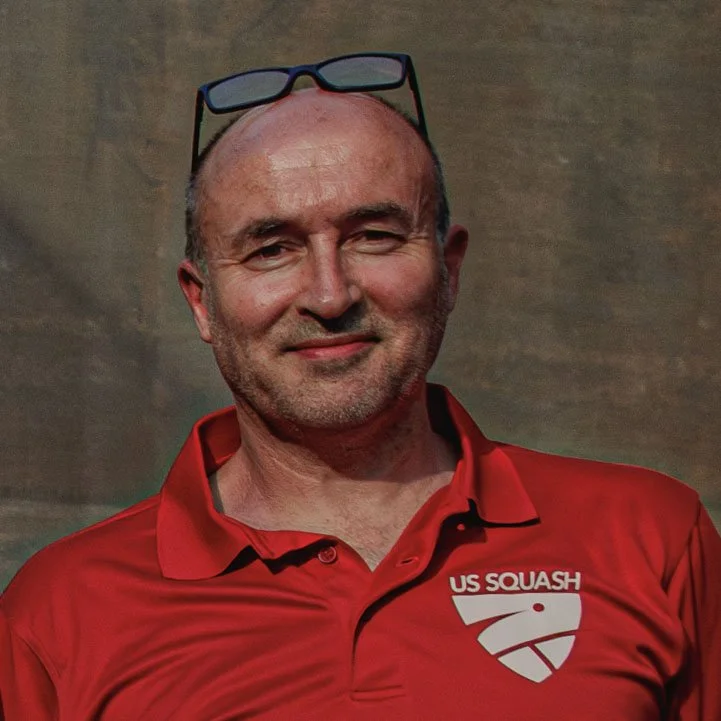
As part of my refereeing journey, I’ve recently had the opportunity to take the chair at matches in the National Squash League (NSL). Created by Maspeth regular Timmy Brownell, Spencer Lovejoy, and Fernando Valdizan, the vision was simple but bold:
Make Squash Major League.
And they’ve done exactly that.
Fast. Furious. Unapologetically Entertaining.
Forget everything you think you know about traditional match structure.
NSL is a 3 vs 3 team format, played across three periods totaling 70 minutes. There are substitutions. Time-outs. Power plays. Sudden-death points. Penalty shoot-outs. Periods where only one team can score. Players are even encouraged to serve before their opponent is ready.
It’s fast. It’s chaotic. It’s strategic. And it’s VERY exciting.
Teams carry bold identities — the NY Knights, DC Inferno, SoNo Sharks — mirroring the energy of major professional leagues in football, basketball, and hockey. This isn’t just a match; it’s an event.
The pace is so relentless that a dedicated scorer works alongside the referee. An MC hypes the crowd (yes — in squash!), while commentators — often familiar voices from SquashTV — bring the action to life. Matches are streamed live, and if you haven’t tuned in yet, head over to YouTube and experience it for yourself.
This is squash with volume turned all the way up.
The Stars Are Showing Up
In only its second season, the league features nine men’s teams and six women’s teams competing regionally, all building toward a “Super Bowl” of squash at season’s end.
And the player roster? It reads like a who’s who of the sport.
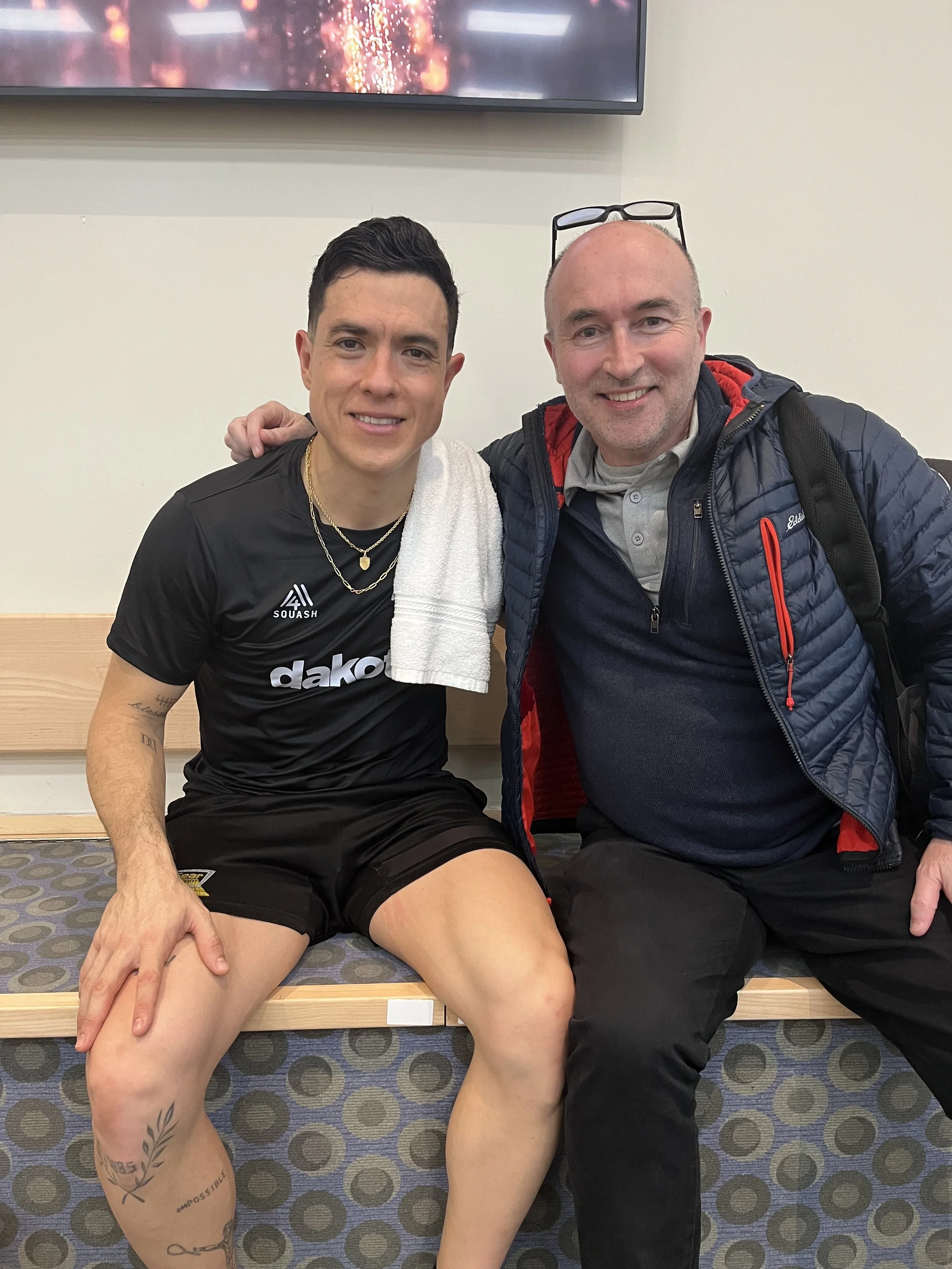
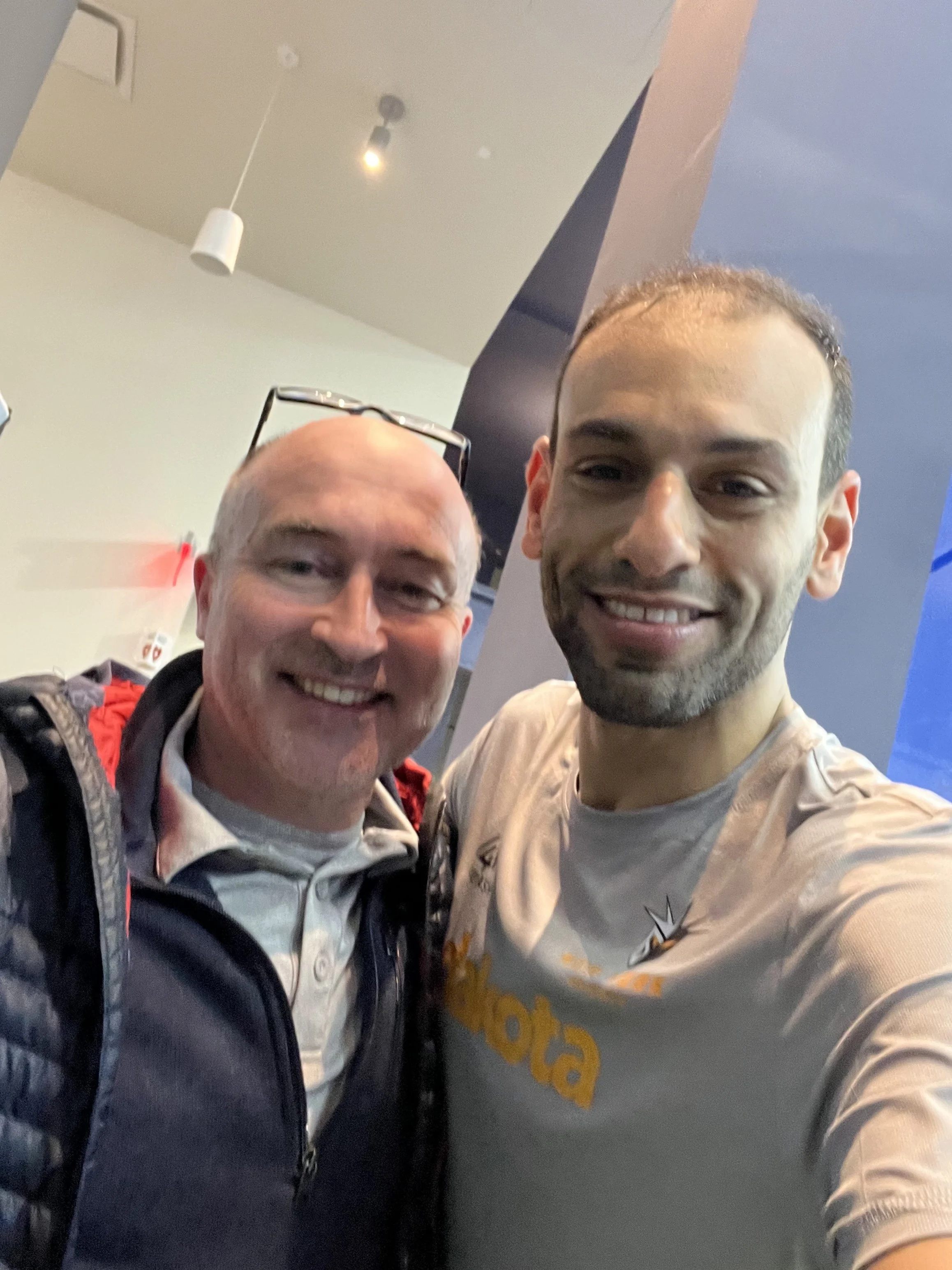
In the three matches I’ve officiated alone, I’ve had the privilege of refereeing Mohamed ElShorbagy, Eain Yow Ng, Dimitri Steinmann, Miguel Rodriguez, Jazmine Hutton, Fayrouz Aboelkheir, among others. Legends like Nick Matthew and Omar Mosaad are on team rosters. Even more impressively, World Champion Nouran Gohar is coaching the NY Queens.
This isn’t a novelty sideshow — it’s attracting the very best players, coaches, and sponsors in the game.
Why This Matters
Let’s be honest: squash needed something like this.
The traditional format will always have its place, and purists may hesitate at the rule changes. But sport evolves. It must. NSL offers a format that is:
Easier for new fans to follow
Built for live streaming and social media
Designed for crowd energy and entertainment
Structured around team identity and loyalty
It brings squash into a space where new audiences can engage — and that’s vital for growth.
Maspeth Squash: Leading Innovation
At Maspeth Squash, innovation is nothing new.
Over the past five years, the Steel Court has helped lead the outdoor squash movement — taking a traditionally indoor sport into the open air, into new communities, and into new conversations. Like NSL, outdoor squash offers a fresh perspective while still honoring the essence of the game.
The Steel Court has drawn some of the sport’s greatest names and continues to do so as the weather in New York turns toward spring.
Both movements — NSL and outdoor squash — share a common philosophy:
Respect tradition. Embrace evolution. Create experience.

Now Imagine This…
NSL on the Steel Court.
A summer evening in New York, a Maspeth BBQ on the go.
Team jerseys. Music. Commentary.
Crowds pressed around the glass.
Power plays under the city skyline.
What if Maspeth fielded its own NSL team?
What if the Steel Court hosted a marquee NSL showdown?
It wouldn’t just be a match — it would be an experience.
And I know one thing for certain:
I’d be there.
Something to think about, Robert…